
Fewer good bottles than expected?
Separate elapsed-time output from running speed, find the first stop and test one cause before deciding on a replacement filler.
Water filling machine low output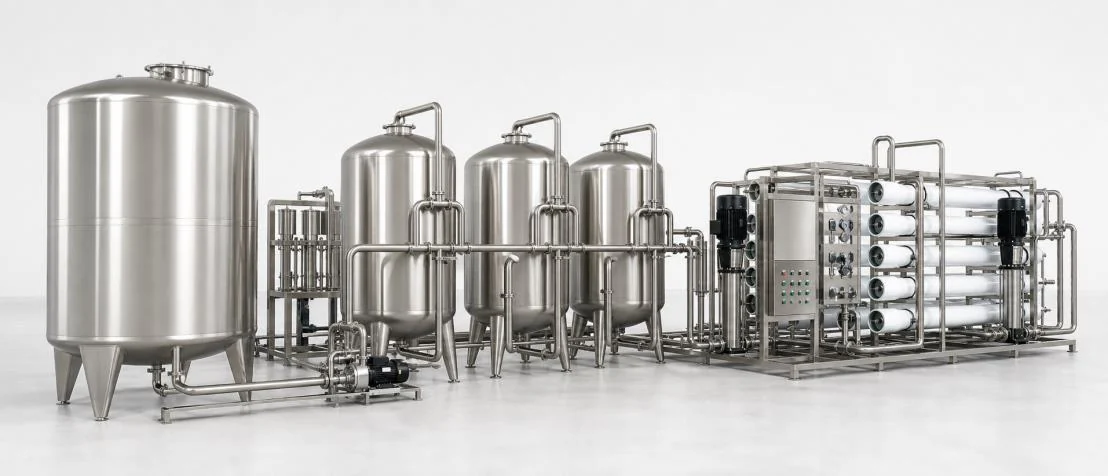
Bottled water equipment · New machinery and line upgrades
Compare water treatment systems, PET blow molders, rinsing/filling/capping machines, labelers and packing equipment. Allot Tech helps you configure a new bottled-water machinery set or match a replacement to the line you already run.
Start with the bottle and the finished pack. Purchased PET bottles, on-site blowing and returned large containers lead to different machinery combinations.
Use a measured symptom and a controlled retest to decide whether the next action is material correction, maintenance, interface work or a machine change.
Separate elapsed-time output from running speed, find the first stop and test one cause before deciding on a replacement filler.
Water filling machine low outputFind the first defective stage, control the bottle-and-film format and compare cooled packs before and after a documented change.
Water bottle shrink-pack problemsCompare leakage by head, cap lot, neck condition and test age. Keep sealing evidence separate from removal torque before specifying capper work.
Cap leaks after cappingSeparate sleeve, OPP and self-adhesive routes. Locate the first visible defect and retest the approved bottle and label before changing the machine.
Wrinkled or skewed bottle labels01 · START FROM YOUR SITUATION
Choose a new equipment set, a machine replacement or an upgrade to the line you already operate.
A01
Separate core, optional and buyer-side items before requesting quotations.
New Factory Machinery SetB02
Record what can remain and what interfaces still need confirmation.
Line Upgrade and DebottleneckC03
Capture the existing elevations, bottle data, signals and utilities first.
Replace or Add One Bottled Water MachineD04
Find the connected-line constraint instead of buying from one nameplate speed.
Bottled Water Machinery Line BalanceThe XGF comparison lists nine still-water monoblock references with a 500 ml capacity basis, dimensions, weight and catalog power. Large-format rotary and linear machines follow separate container ranges. Use these references to prepare a configuration request, not as a promise of current availability or whole-line output.
02 · COMPLETE MACHINERY STAGE MAP
Open a stage to compare equipment choices, bottle compatibility and the connections to the next machine.

03 · COMPARE THE PURCHASE DECISIONS
Compare capacity, bottle supply, automation, labels and packing before deciding which equipment to buy.
Compare capacity classes from demand, shifts, bottle format and downstream limits.
3000 vs 5000 vs 10000 BPH Water Bottling LinesMatch automation to labor tasks, material handling and exception recovery.
Automatic vs Semi-Automatic Water Bottling MachineryCompare storage, quality control, preforms, compressed air, cooling and capital scope.
Buy Empty Bottles vs In-House PET BlowingControl bottle, neck, cap, water, hygiene and connected-machine data before model selection.
3-in-1 Water Filling Machine Buying GuideMatch decoration, bottle surface, consumables and changeover before choosing the applicator.
Sleeve vs OPP vs Self-Adhesive Bottle LabelingSeparate film, tray and case scope; compare packs, cycles and bottle rates on one basis.
Shrink Wrap vs Carton Packing for Water BottlesPut treatment flow, storage and filler demand on one operating-time basis.
Match Water Treatment Output to the Filling LineClose layout, utilities, access, drainage and buyer-side work before technician travel.
Bottled Water Machinery Site Readiness ChecklistResolve three different questions: how the fill is controlled, how the approved cap is applied, and what happens to a bottle that fails inspection. A monoblock quotation should identify each function and the evidence used to accept it.
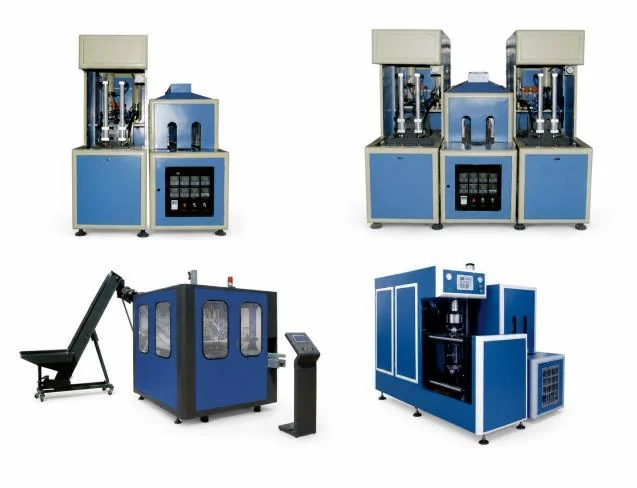
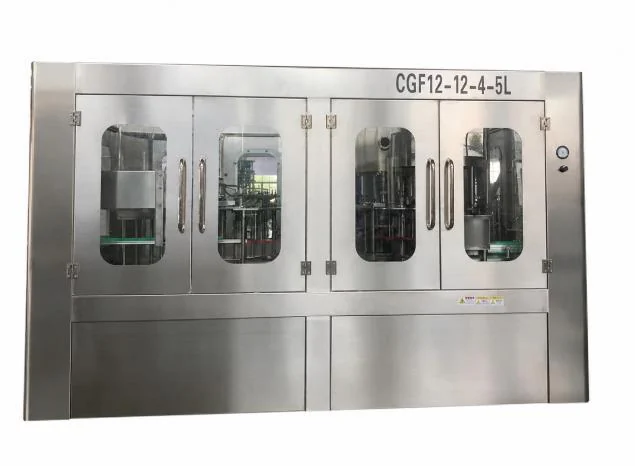
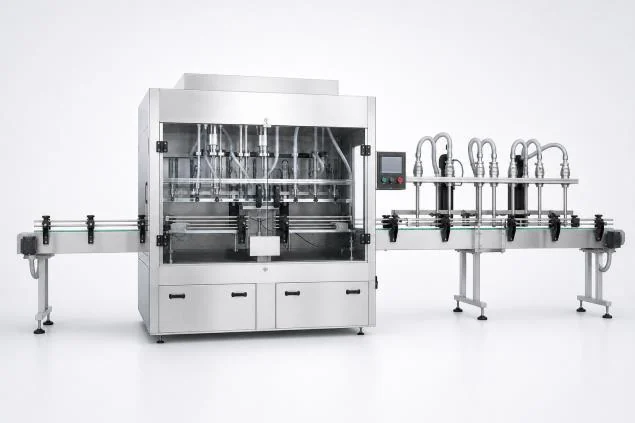
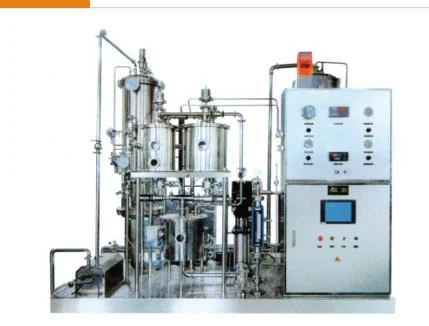
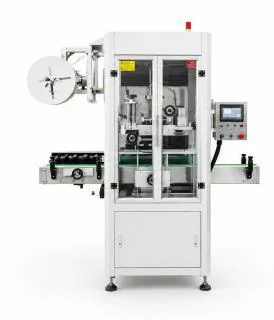
Representative machinery views
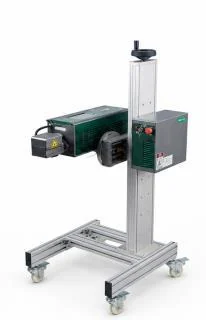
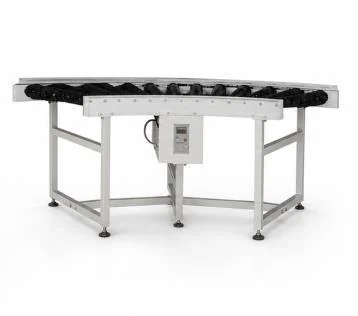
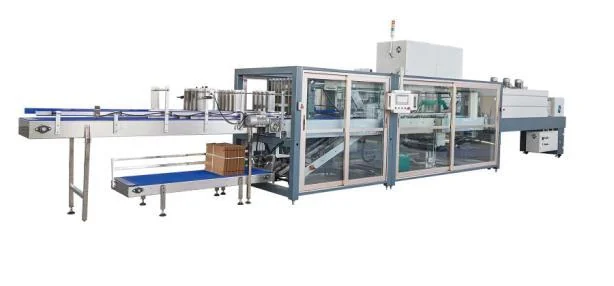
04 · CLASSIFY BEFORE QUOTING
The same item may change classification when the bottle-supply method, pack or project boundary changes.
Equipment required to produce the agreed water, container and sellable pack in the defined scope.
Automation, inspection, handling or packaging added because the operating plan requires it.
Building services, distribution, local work and utilities whose supply boundary must be assigned.
05 · WHAT CONTROLS MACHINERY SELECTION
Collect the data revision used by every supplier response.
Water source
Treated-water target
Bottle material
Bottle volume
Bottle drawing
Neck finish
Cap type
Target saleable output
Number of SKUs
Label type
Final pack
Factory dimensions
Voltage and frequency
Available air system
Existing machines
Destination and expansion plan
06 · BROWSE BY PRODUCTION STAGE
See what each machine does, the containers it must handle, and the upstream and downstream equipment it connects to.
CORE OR PROJECT-SPECIFIC
A treatment train conditions the available raw water for the agreed bottled-water target. It is normally required when the buyer is not receiving already compliant treated water.…
CORE WHEN BOTTLES ARE MADE IN-HOUSE
Bottle blowing machinery heats confirmed PET preforms and forms them in the approved mold. It is needed when the project will produce bottles in-house. A buyer purchasing…
CORE CONNECTION EQUIPMENT
Bottle handling receives empty bottles, orients them where necessary and meters them into the next machine. An unscrambler may be unnecessary on a directly coupled blower-to-filler line,…
CORE MACHINERY
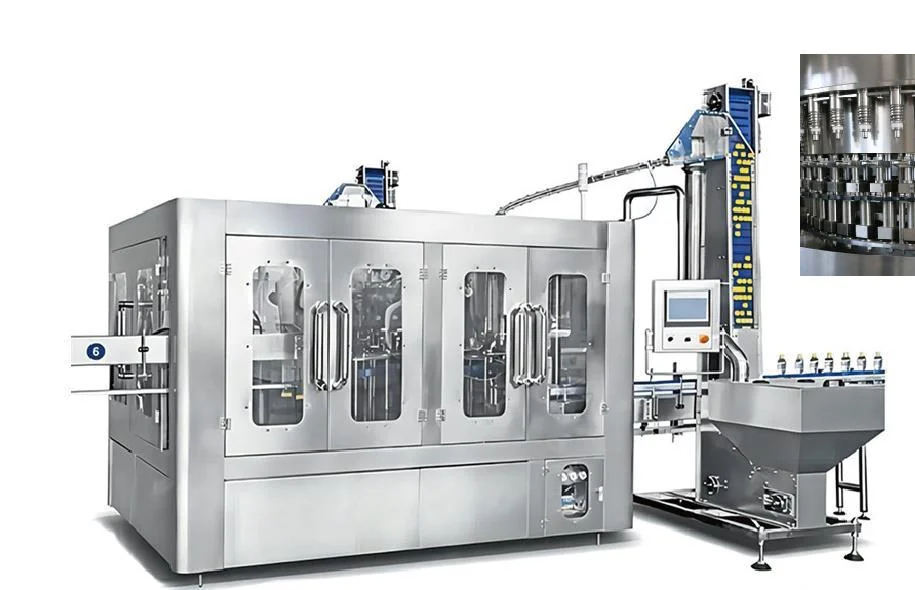
A still-water monoblock rinses the confirmed bottle, fills it under the selected process conditions and applies the approved closure. It does not replace water treatment, bottle making,…
CORE SUPPORT MACHINERY
Cap handling receives bulk closures, orients them and feeds them to the capper at the required state. Manual cap loading may be possible for a limited operating…
CORE OR MARKET-SPECIFIC
Labeling machinery applies the selected sleeve, self-adhesive label or roll-fed label; coding equipment adds the agreed variable mark. A project selling an undecorated container may omit a…
OPTIONAL OR REQUIREMENT-DRIVEN
Inspection machinery checks defined bottle, fill, closure, label or code conditions and triggers an agreed response. Manual inspection may remain appropriate for a limited project, but the…
CORE FOR A DEFINED SALEABLE PACK
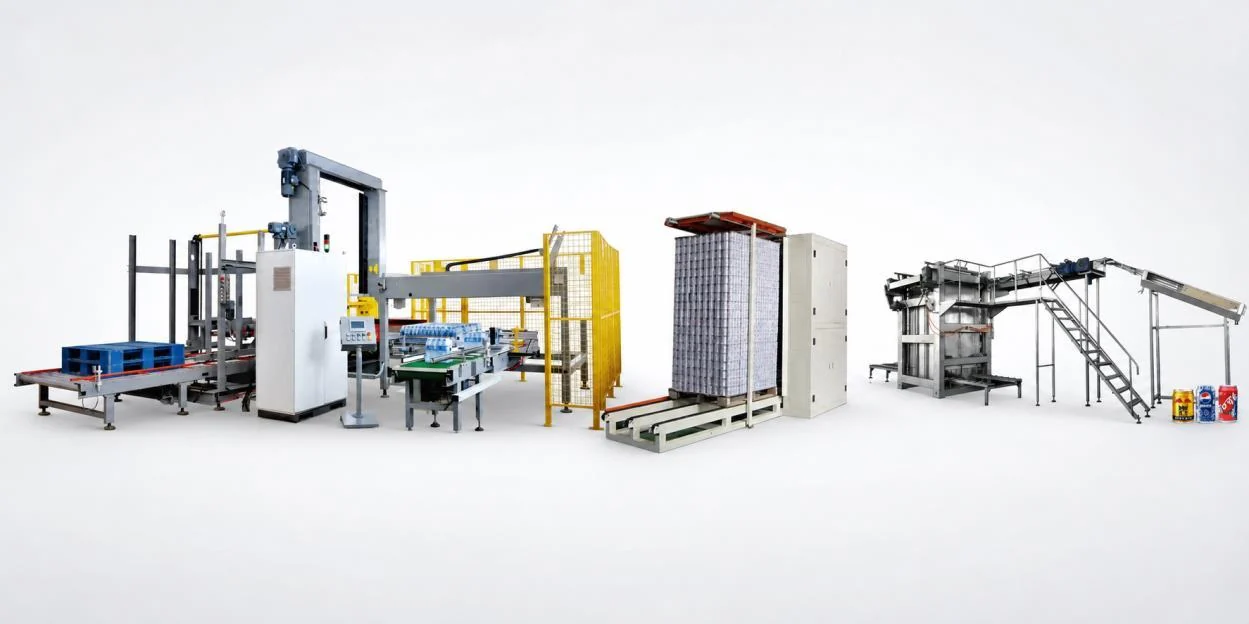
Secondary packaging groups finished bottles into the confirmed saleable or logistics pack. Manual packing may be possible for a limited project, but labor, consistency, heat-tunnel, material supply…
CORE INTEGRATION MACHINERY
Conveyors transfer bottles or packs; line control coordinates machine states and safe stops. Short manual transfers may replace selected conveyor sections, but each transition and stop/restart responsibility…
BUYER-SIDE OR PROJECT-SPECIFIC
Utility equipment supplies the air, cooling, power or other services required by selected machines. It is not possible to size a complete utility package from one generic…
07 · MACHINE COMPATIBILITY
Review container, mechanics, product, electrical, controls, utilities, layout and operator work.
| Type | Boundary | Confirm before order |
|---|---|---|
| Interface | Blower to filler | Bottle neck, transfer method, elevation, demand and stop/restart behavior |
| Interface | Filler to labeler | Bottle stability, surface moisture, spacing, conveyor and blocked-line response |
| Interface | Labeler to packer | Format, code/label inspection, pack infeed lanes and accumulation |
| Control | Line states | Permissives, blocked/starved signals, faults, rejects and emergency-stop boundary |
| Utility | Machine services | Pressure, flow, quality, temperature, simultaneity and connection responsibility |
08 · LINE BALANCE
Use the buyer’s own visible operating factor and then review the real stops, rejects, changeovers and buffers.
Enter each rated speed on the same bottle and pack basis.
Apply only the operating factor selected and disclosed by the buyer.
Compare effective speeds to locate the present constraint.
Review changeover, stops, rejects and accumulation before forecasting saleable output.
09 · MACHINERY SET BY BUYER SCENARIO
Build a preliminary core/optional/buyer-side ledger.
New Factory Machinery SetRetain compatible assets and document every new boundary.
Line Upgrade and DebottleneckCompare format parts, recipes, labels, packs and changeover work.
Multiple Bottle Size ChangeoverChoose labor reduction by task and exception-handling need.
Low-Labor Automatic Bottled Water MachineryMeasure the installed interfaces before defining the replacement.
Replace or Add One Bottled Water Machine10 · COST STRUCTURE
No fixed price is published before the project basis is confirmed.
11 · FAT AND ACCEPTANCE
12 · MAINTENANCE AND SPARES
13 · HOW ALLOT TECH SUPPORTS SELECTION
Allot Tech may coordinate selected manufacturing resources according to the agreed project scope; this is not a claim that every machine is produced in one Allot Tech-owned factory.
Collect project data without guessing missing fields.
Clarify bottles, labels, packs and existing machinery.
Build a machinery scope and interface register.
Coordinate project-specific technical confirmation.
Compare compatible machinery and written exclusions.
Coordinate manufacturing communication and inspection.
Support shipment and commissioning communication within the agreed scope.
14 · BUYER TOOLS
Sort likely core, optional, retained and buyer-side items.
Machinery Scope BuilderUse your own visible operating assumptions to identify a bottleneck.
Line Balance CalculatorTurn project data and open questions into one English machinery brief.
Bottled Water Machinery RFQ BuilderPrepare inspection and startup records without invented fixed values.
Bottled Water Machinery Buyer DownloadsBUYER QUESTIONS
Use these answers to prepare the next supplier question; final configuration remains project-specific.
A project may need water treatment and storage, bottle supply or blowing, rinsing-filling-capping, conveying, labeling, coding, inspection, final packing and utilities. The exact list depends on the bottle, water, output, pack and buyer-side scope.
Convert saleable demand, operating days, shifts, hours, bottle formats and expected losses into a capacity basis. Then balance every connected machine on the same bottle and pack rather than selecting from the filler rating alone.
Only an itemized quotation can answer that. Suppliers may use complete line for different boundaries, so treatment, bottle supply, compressors, chillers, conveyors, packing, installation and factory services must each be marked included, optional or buyer-side.
Provide the water source and target, bottle and neck drawings, cap, required output by format, label, final pack, factory space, utilities, destination and any existing machines. Unknown values can remain open for confirmation.
It can be evaluated only after the real infeed, outfeed, elevation, direction, controls, safety signals, utilities, bottle behavior and service access are documented. Matching BPH alone does not prove compatibility.
WHO YOU WILL COMMUNICATE WITH
BottledWaterMachinery.com is operated by Allot Tech (Suzhou) Co., Ltd. Mr Kcal supports overseas client communication, requirement organization and China supply-chain coordination.
INTERACTIVE TOOL
Use your bottle, output and packing requirements to prepare a preliminary machinery brief.
Machinery Plan Request
Send the minimum project data first. Allot Tech can reply with the next drawings, specifications, and interface details needed for responsible machinery selection.
Prefer email, or having trouble sending? sales@allottech.com
Technical descriptions are selection guidance. Final machine, capacity, material, component, interface, utility and service details must be confirmed in the project proposal.
Content reviewed:
NEXT PURCHASING ACTION
Send the bottle, target output, package, utilities and any existing-machine data. Unknowns can remain marked for confirmation.